A loud garage door does not automatically mean something is broken. Sometimes the door simply needs maintenance. But a sudden change in sound, especially banging, squealing, cracking, or scraping, should not be ignored.
Jared Carter, owner of UpDown Garage Doors, says worn parts, lack of lubrication, loose fixtures, and worn rollers are some of the most common reasons a garage door becomes noisy. The important part is determining whether the sound is normal operation or a warning that something in the system needs attention.
01
WHAT ARE THE MOST COMMON CAUSES OF A NOISY GARAGE DOOR?
Garage doors contain a number of moving metal components. When those components wear, loosen, or stop moving smoothly, the door can become noticeably louder.
WORN ROLLERS
Worn rollers can become stiff and noisy, especially when they are combined with a lack of proper lubrication.
LACK OF LUBRICATION
Metal moving against metal creates friction. Without proper lubrication, the door cannot glide the way it was designed to.
LOOSE FIXTURES
Fixtures that have not been adjusted or tightened can contribute to vibration, movement, and additional noise.
THE OPERATOR
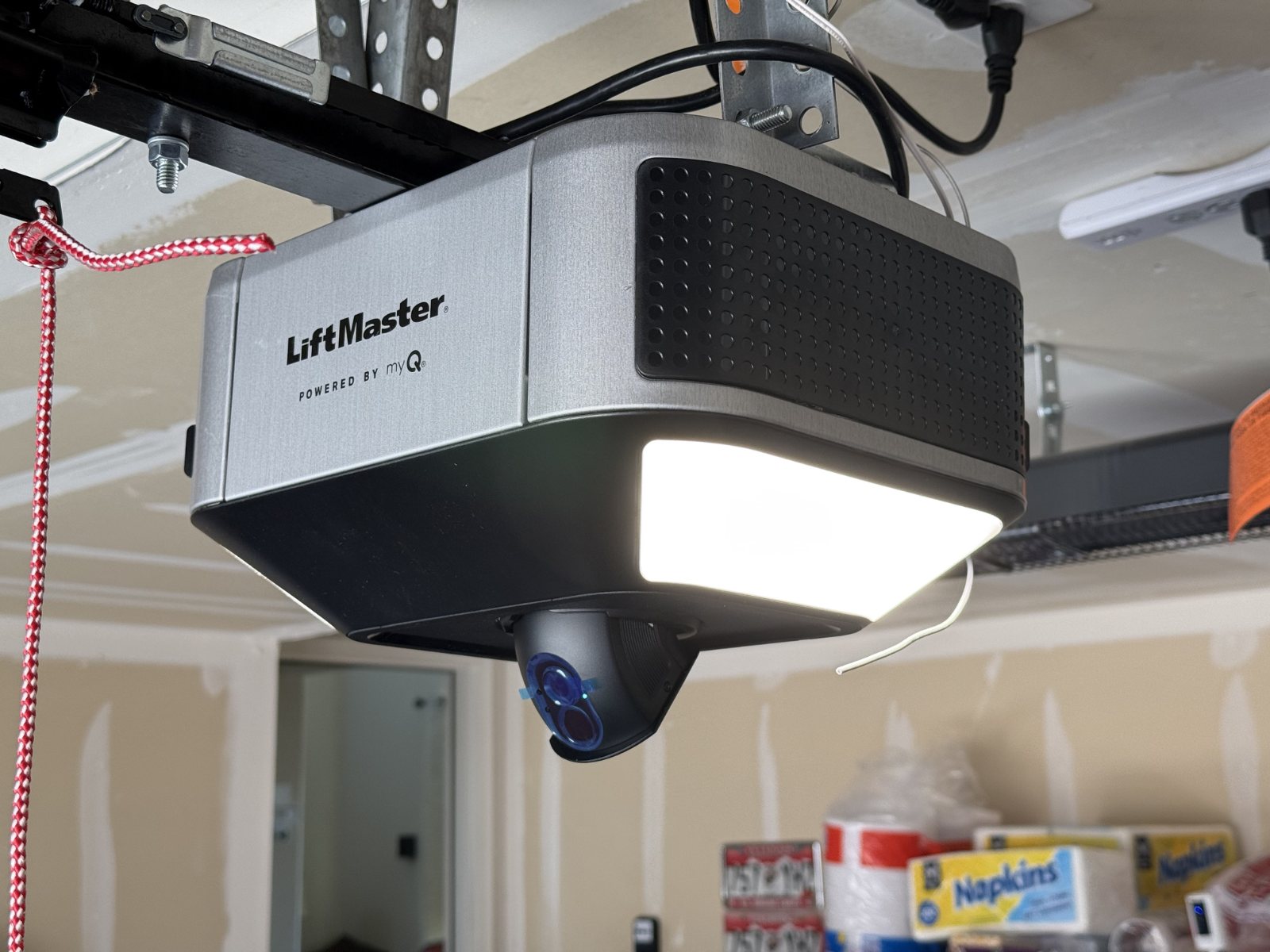
Depending on the specific system, the garage door operator itself may be the loudest part of normal operation.
Hinges and other fixtures paired with rollers that have not been properly serviced can also become some of the loudest components on the door.
02
WHAT IS NORMAL GARAGE DOOR NOISE AND WHAT ISN'T?
There is no single sound that defines a normal garage door. Door construction, hardware, age, and the type of operator can all affect how the system sounds.
What matters more is recognizing sounds and movement that are unusual for your door.
BANGING, SQUEALING OR CRACKING? CALL A PRO.
Jared recommends professional inspection if you hear banging, squealing, or cracking. The same applies if you see panels jumping or the tracks visibly moving in or out while the door operates.
A garage door professional can inspect the complete system and determine whether the sound is simply part of normal operation or a symptom of a developing problem.
03
CAN LACK OF LUBRICATION REALLY MAKE THAT MUCH DIFFERENCE?
Yes. According to Jared, proper lubrication is a basic part of helping the garage door move the way it was designed to.
GARAGE DOORS NEED LUBRICATION
Most moving garage door parts are metal secured to more metal. Without proper lubrication, friction increases and so does the potential for worn or broken parts.
Jared compares it to other mechanical systems that depend on routine maintenance. An engine needs oil. A water pump needs filtering. A garage door also needs the maintenance required by its moving components.
Lubrication is not just about making the door quieter. It is part of reducing unnecessary friction and helping components achieve the service life they were designed for.
04
WHICH GARAGE DOOR PARTS MAKE THE MOST NOISE?
The operator is often the source of the most noise, depending on the specific operator installed. That sound can be completely normal.
When the noise is coming from the door itself, hinges, fixtures, and rollers that are worn or not properly lubricated are common sources.
GARAGE DOOR OPERATOR
Some operators naturally produce more sound than others during normal operation.
HINGES AND FIXTURES
Dry, loose, or worn hardware can create squeaking, vibration, and other noticeable sounds.
ROLLERS
Worn rollers can become stiff and loud, especially when regular service has been neglected.
If you are not sure whether the sound is coming from the operator or the garage door itself, a professional inspection can isolate the source instead of guessing and replacing parts unnecessarily.
05
DOES A NOISY GARAGE DOOR MEAN SOMETHING IS WEARING OUT?
It can, but not always. A noisy garage door may have worn components, or it may simply need some maintenance and adjustment.
Yes, but it can also mean that the door just needs a little TLC.
Jared Carter, Owner of UpDown Garage Doors
This is why diagnosing the entire system matters. Treating every noise as a failed part can lead to unnecessary repairs, while ignoring a genuine warning sound can allow a smaller problem to become more expensive.
06
WHAT SHOULD YOU NEVER SPRAY ON A GARAGE DOOR?
Lubrication matters, but using the wrong product or putting it in the wrong place is not proper garage door maintenance.
DO NOT USE WD-40, LITHIUM GREASE OR GREASE ON THE DOOR
Jared does not recommend WD-40, lithium grease, or grease for garage door lubrication. He also stresses that garage door tracks do not need lubrication.
Spraying something on every moving part is not the same as servicing the garage door correctly. The right products need to be used on the right components.
IMPORTANT MAINTENANCE NOTE
GARAGE DOOR TRACKS DO NOT NEED LUBRICATION
If you are unsure what should be lubricated or what product should be used, have a garage door professional service the system instead of experimenting with sprays or grease.
07
HOW OFTEN SHOULD A GARAGE DOOR BE SERVICED IN COLORADO?
UpDown Garage Doors recommends a professional service once a year for every garage door.
Colorado's dry climate makes routine maintenance especially important for moving components that depend on proper lubrication. Annual service also gives a technician the opportunity to inspect hardware, rollers, fixtures, balance, and the rest of the system before small issues become larger ones.
Recommended service interval
Involve doors overdue for lubrication
A common maintenance gap
Jared estimates that 75% to 80% of UpDown Garage Doors service calls involve doors that have never been lubricated or have not been lubricated in more than two years.
Learn more about routine service on our garage door maintenance page.
08
CAN IGNORING A NOISY GARAGE DOOR MAKE THE REPAIR MORE EXPENSIVE?
Absolutely. Noise can be an early clue that the system is experiencing friction, wear, loose hardware, or another issue that needs attention.
FROM UPDOWN GARAGE DOORS SERVICE CALLS
PREVENTABLE MAINTENANCE CAN BECOME A $400+ REPAIR
Jared says 75% to 80% of UpDown's service calls involve garage doors that were never lubricated or had gone more than two years without lubrication. Of those customers, he estimates 40% to 50% experience repair tickets of $400 or more for issues that would not have occurred if the door had been properly serviced.
Those are UpDown Garage Doors' own service-call observations, not an industry-wide statistic. The takeaway is straightforward: maintenance is much easier to budget for than waiting until worn components create a larger repair.
09
WHAT GARAGE DOOR NOISE MEANS YOU SHOULD STOP USING IT?
If the door makes a loud bang, loud scraping, or severe squealing sound, or if anything about the door's movement makes you uncomfortable, Jared recommends erring on the side of caution.
WHEN IN DOUBT, STOP AND HAVE IT CHECKED
A loud bang, scraping, squealing, jumping panels, or tracks visibly moving while the door operates are all reasons to have the system inspected rather than continuing to run it.
Continuing to operate a door with a developing mechanical problem can create additional damage to other parts of the garage door system.
If your door is already damaged or operating incorrectly, visit our garage door repair page or contact UpDown Garage Doors for an inspection.
10
WHAT SHOULD EVERY HOMEOWNER KNOW ABOUT GARAGE DOOR NOISE?
All garage doors make some level of noise. Very few systems are completely or nearly silent, so the goal is not necessarily to eliminate every sound.
The bigger concern is a change in how the door sounds or repeated component problems.
Most garage door parts are engineered to last a very long time if manufacturer maintenance guidelines are followed.
Jared Carter, Owner of UpDown Garage Doors
If parts are wearing out within only a couple of years, or you find yourself addressing the garage door multiple times in the same calendar year, Jared says inadequate maintenance is likely something that should be considered.
The goal of professional maintenance is not simply making the door quieter for the moment. It is keeping the entire system properly serviced so it continues operating the way it was designed to.
FAQ
FREQUENTLY ASKED QUESTIONS
Common causes include worn parts, lack of lubrication, loose fixtures, worn rollers, or noise from the garage door operator itself.
No. A noisy door can indicate worn components, but it can also mean the system needs lubrication, adjustment, or other routine maintenance.
UpDown Garage Doors does not recommend WD-40, lithium grease, or grease for garage door lubrication. Garage door tracks also do not need lubrication.
No. Jared Carter of UpDown Garage Doors specifically advises that garage door tracks do not need lubrication.
UpDown Garage Doors recommends professional garage door service once a year.
Banging, cracking, loud scraping, and severe squealing are reasons to have the door inspected. Jumping panels or tracks moving in and out during operation are also warning signs.
Yes. Continuing to operate a door with friction, worn components, loose hardware, or another developing issue can allow additional damage to occur.
Yes. Depending on the specific operator, it can be one of the loudest parts of normal garage door operation. A sudden change in sound is more important than expecting every operator to be silent.